
ANUSANDHAN NATIONAL RESEARCH FOUNDATION
MAHA-EV Mission
A national mission-mode programme advancing indigenous research, technology capability and globally competitive solutions for electric mobility.
MAHA-EV
ARCI
CEERI
IIT BHU
IIT Bombay
IIT Kanpur
IIT KGP
NITK
MAHA-EV MISSION SUMMIT 2026
Accelerating India's Mobility Transition
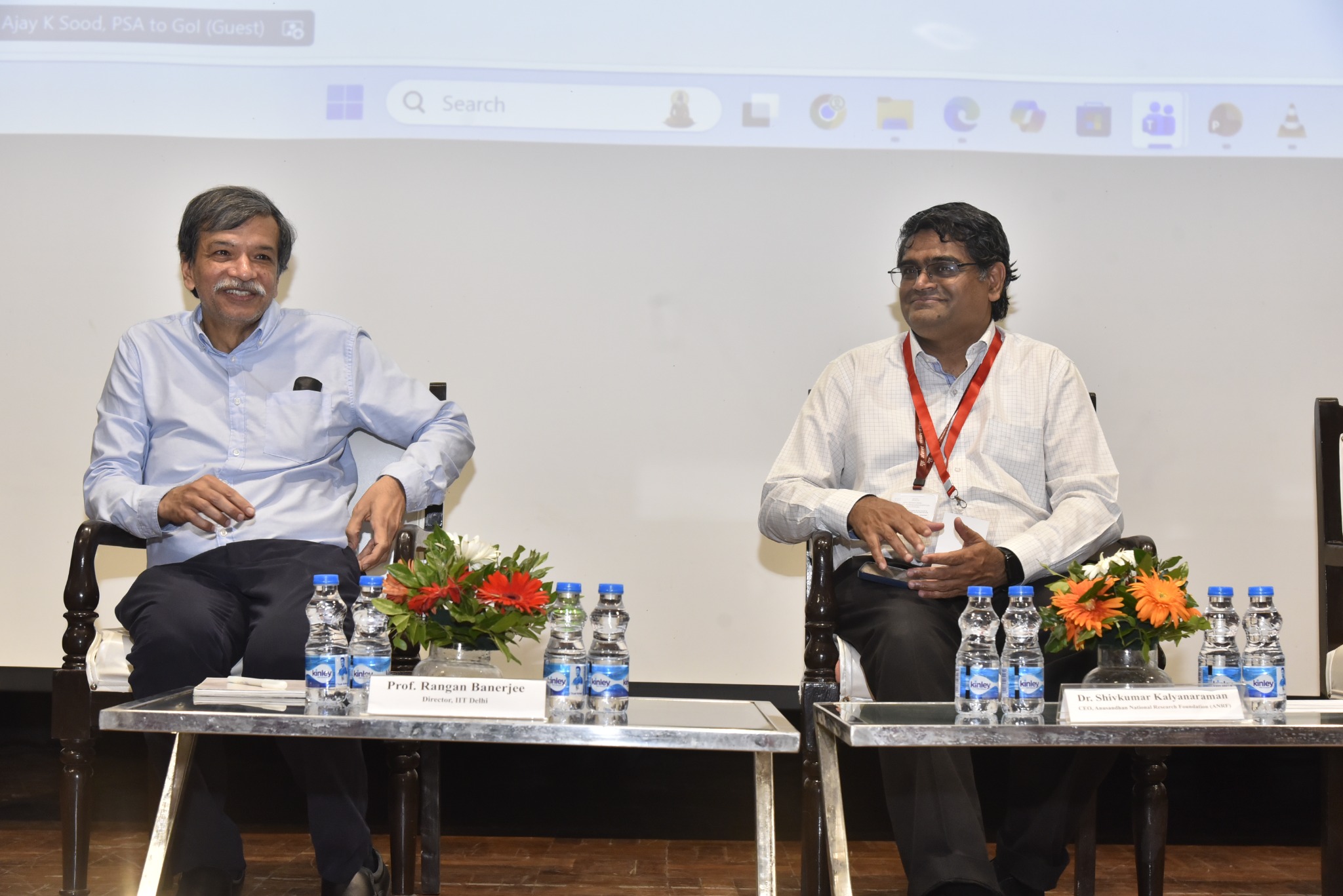
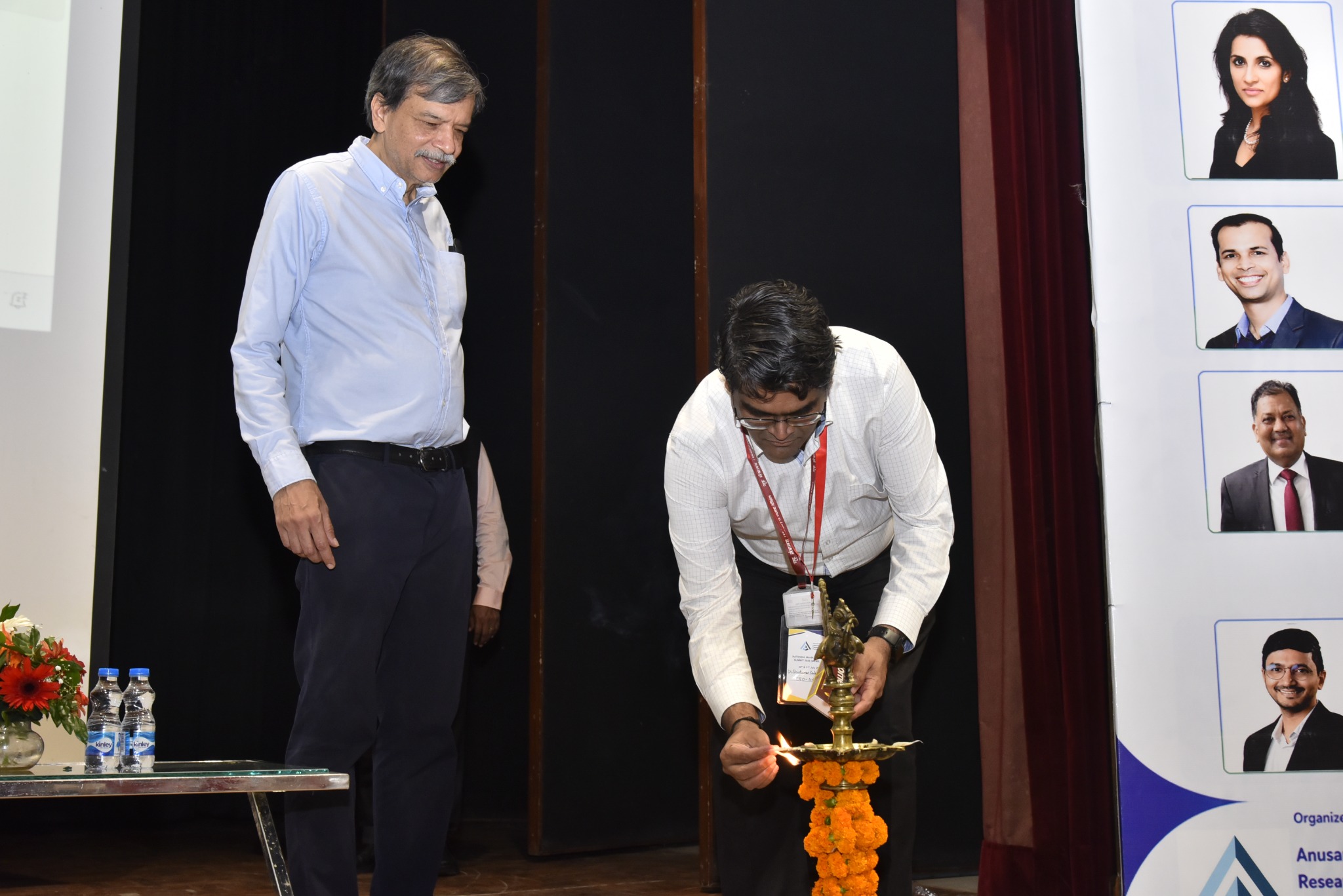
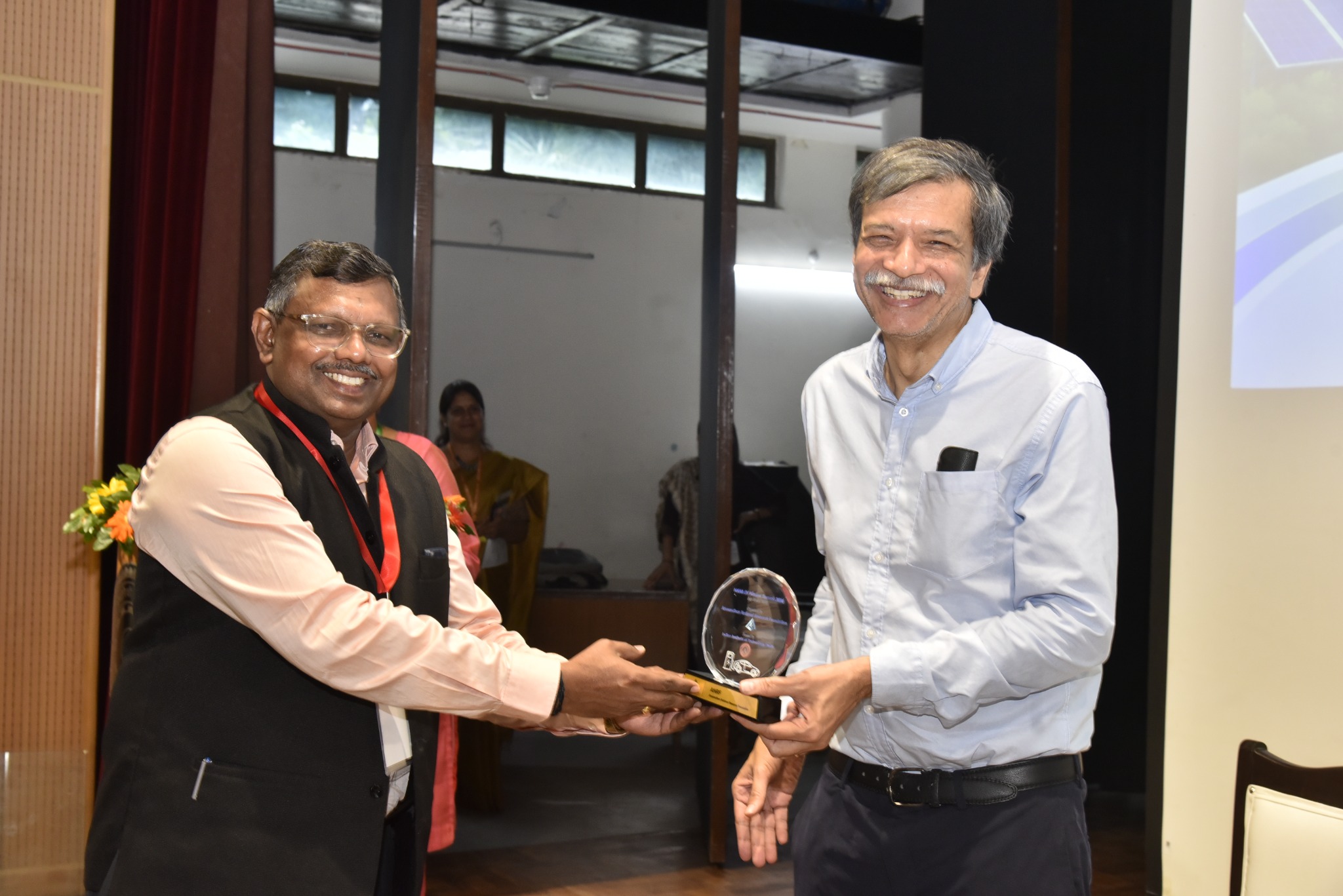
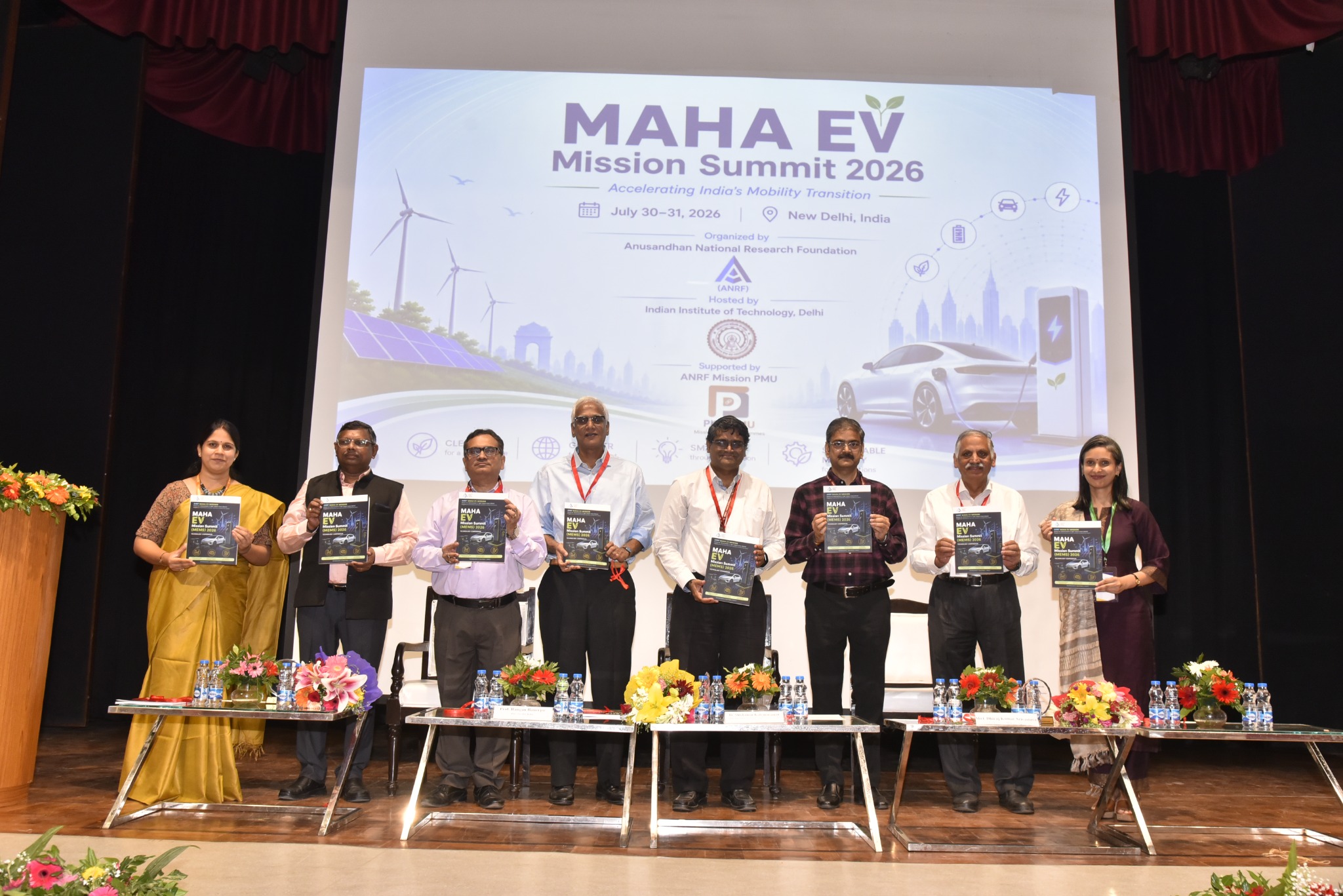
The MAHA-EV Mission Summit 2026 brought together Mission leadership, researchers and ecosystem stakeholders to strengthen collaboration across India's electric-mobility research programme.
Highlights included Mission interactions, the ceremonial inauguration, leadership engagement and the release of the MAHA-EV Mission Summit 2026 compendium.
MISSION SNAPSHOT
National EV Research at Mission Scale
TECHNOLOGY VERTICALS
Three Strategic Technology Areas
Tropical EV Batteries & Battery Cells
Research spanning battery materials, cells, packs, safety, lifecycle and technologies suited to tropical operating conditions.
E-Nodes
ARCI HyderabadIIT (BHU) Varanasi
Power Electronics, Machines & Drives
Indigenous capability in power conversion, electric machines, controllers, drives and related EV subsystems.
E-Nodes
IIT BombayCSIR-CEERI PilaniNITK Surathkal
EV Charging Infrastructure
Charging technologies, grid interfaces, power-quality solutions and scalable infrastructure for electric mobility.
E-Nodes
IIT KanpurIIT Kharagpur
PUBLIC PROGRESS
Programme Progress at a Glance
ARCI Hyderabad6 Work Package groups
—
CSIR-CEERI Pilani4 Work Package groups
—
IIT (BHU) Varanasi8 Work Package groups
—
IIT Bombay9 Work Package groups
—
IIT Kanpur5 Work Package groups
—
IIT Kharagpur4 Work Package groups
—
NITK Surathkal4 Work Package groups
—
SEVEN E-NODES
Research Consortia Across the Mission
Each E-Node brings together a lead institution, collaborating organisations and industry partners around a defined technology focus.
ARCI Hyderabad
Tropical battery materials, cell fabrication technologies and indigenous battery capability.
CSIR-CEERI Pilani
Wide-bandgap semiconductor technologies and efficient power-electronic systems for EV applications.
IIT (BHU) Varanasi
Safe, degradation-controlled battery systems and charging solutions suited to tropical e-mobility.
IIT Bombay
Indigenous EV sub-systems across power electronics, machines, drives and related technology translation.
IIT Kanpur
Grid readiness, charging integration, controls and technologies for a future-ready EV-grid ecosystem.
IIT Kharagpur
High-power, grid-friendly conductive and static wireless charging for electric vehicles.
NITK Surathkal
Rare-earth-magnet-free electric machines, controllers and efficient indigenous drive technologies.
RECENT EVENTS
Mission Updates and Engagement
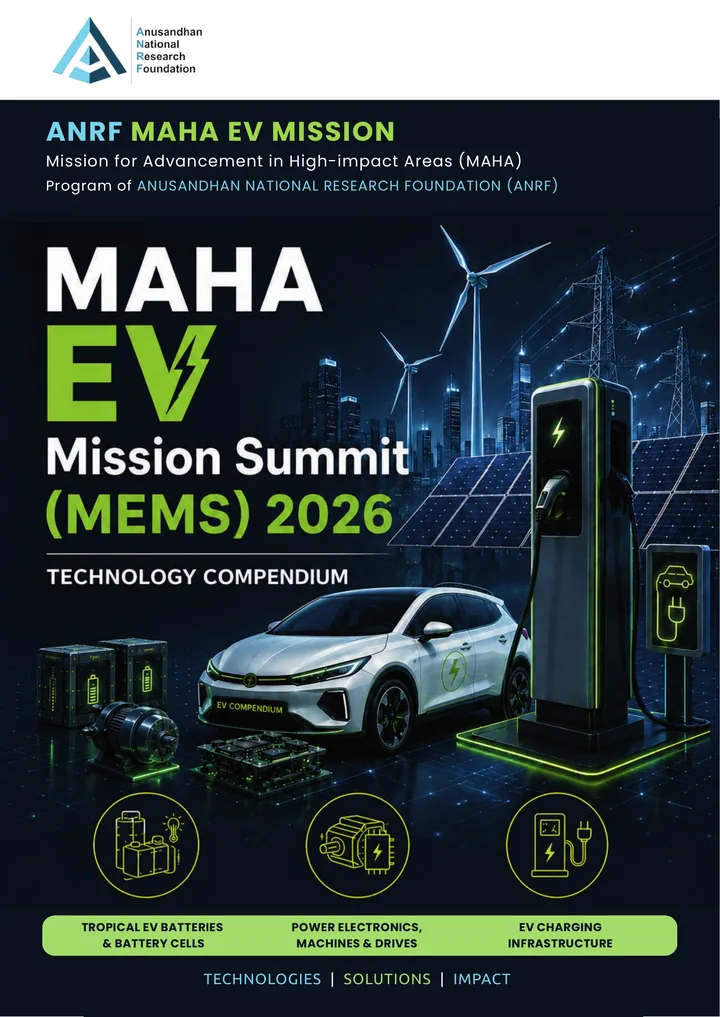
MAHA EV Mission Summit (MEMS) 2026
A Mission-wide platform bringing together the MAHA-EV research ecosystem, programme leadership, institutions and industry stakeholders.
Official ANRF Mission informationExplore the Mission Ecosystem
Learn about the seven E-Nodes, Mission leadership, collaborating institutions and the knowledge architecture supporting MAHA-EV.
ABOUT THE MISSION
Mission for High-Impact Electric Mobility Research
MAHA-EV brings priority-driven, solution-focused research into mission mode to strengthen India's indigenous EV technology capability, support self-reliance and build globally competitive innovation pathways.
MISSION CONTEXT
Why Electric Mobility
India's transition to electric mobility requires technologies that are safe, affordable, manufacturable and effective in Indian climatic and operating conditions. The Mission links fundamental and applied R&D with translation pathways spanning batteries, motors and controllers, power electronics, charging technologies and grid interfaces.
Technological self-reliance
Advanced domestic R&D
Indigenous components
Value-chain capability
Industry participation
Research-to-deployment pathways
MISSION OBJECTIVES
Develop indigenous EV technologies aligned with India's needs.
Strengthen research collaboration across institutions and disciplines.
Create pathways from laboratory research to technology validation.
Enable stronger academia-industry-government convergence.
Build national capability across critical EV subsystems.
Advance globally competitive research in emerging mobility technologies.
MISSION ARCHITECTURE
How the E-Node Model Works
Seven E-Nodes bring together lead institutions, collaborating organisations and industry partners within a Mission-wide research and governance framework.
1
ANRF
Mission framework and national research priorities.
2
Mission Governance
Mission-level monitoring, mentoring and strategic oversight.
3
Mission PMU
Coordination, monitoring support, stakeholder convergence and knowledge flow.
4
Seven E-Nodes
Lead institutions coordinating multi-institution research consortia.
5
Research → Technology → Validation → Impact
Institutional and industry collaboration supports translation pathways.
LEAD E-NODE INSTITUTIONS
Seven Lead Institutions

MISSION ECOSYSTEM
Collaborating Institutions
- Banaras Hindu University
- Birla Institute of Technology Mesra
- Centre for Development of Advanced Computing (C-DAC)
- CSIR-Indian Institute of Chemical Technology Hyderabad
- CSIR-National Aerospace Laboratories
- Defence Research and Development Organisation (DRDO)
- Indian Institute of Technology Bhubaneswar
- Indian Institute of Technology Hyderabad
- Indian Institute of Technology Madras
- Indian Institute of Technology Mandi
- Indian Institute of Technology Tirupati
- Institute of Chemical Technology Mumbai
- KTH Royal Institute of Technology
- National Institute of Technology Durgapur
- National Institute of Technology Hamirpur
- PDPM Indian Institute of Information Technology, Design and Manufacturing Jabalpur
- The Energy and Resources Institute (TERI)








INDUSTRY ECOSYSTEM
Industry Partners
- Aartech Solonics
- Aditya Future Driven
- Altmin
- Amara Raja Energy & Mobility
- Ather Energy
- Avartan
- Brevera
- Calvem Controls
- CESC Limited
- ChargeQ
- Electra EV
- Electrohms
- Enphase
- EVRE
- FORVIA HELLA
- HBL
- Himadri
- Hindalco
- Honeywell Technologies
- Innovatex
- Lucas TVS
- MacDermid Alpha
- Nayak Power
- Nexsys
- NXPEC
- OPAL-RT Technologies
- Orange Koi
- Permanent Magnets Limited
- Ray-D-US
- RevineTech
- RoadGrid
- ROHM Semiconductor
- Semtronics
- Statcon Energiaa
- Tata Motors
- Texas Instruments
- ThoughtSpot
- TVS Motor
- Uniper
- UNO Minda
- Urjawatt
- Zenergize





































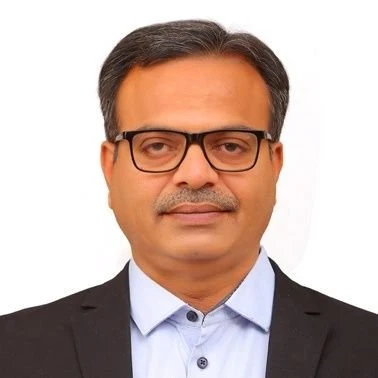
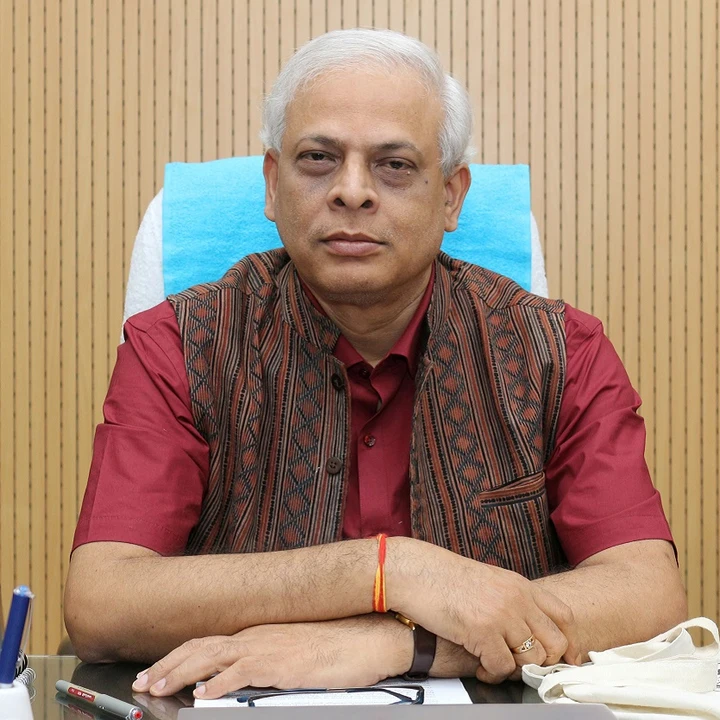
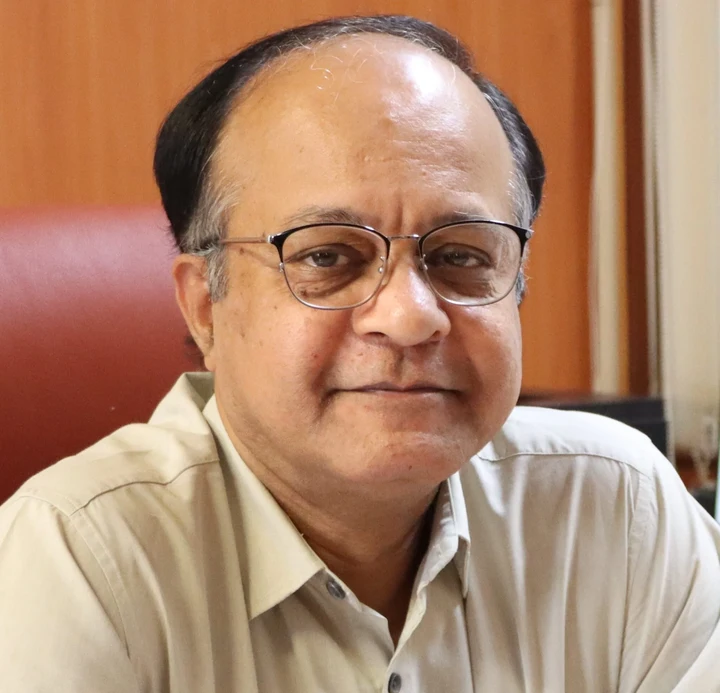
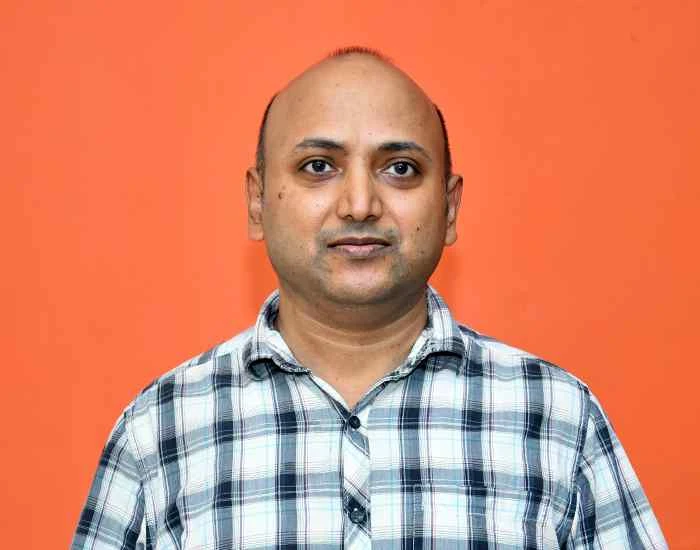
LEAD PRINCIPAL INVESTIGATORS
Leadership Across the Seven E-Nodes



MISSION LEADERSHIP
ANRF Programme and Governance Leadership
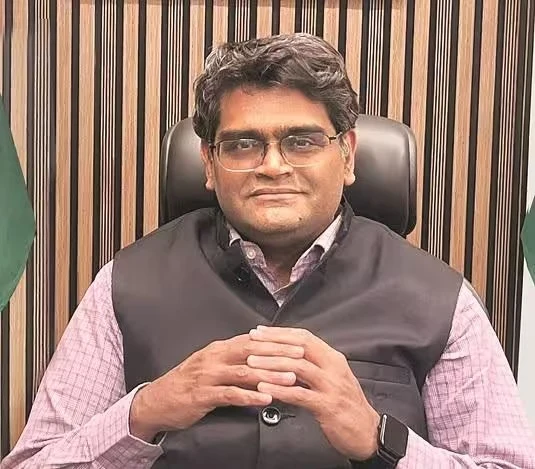
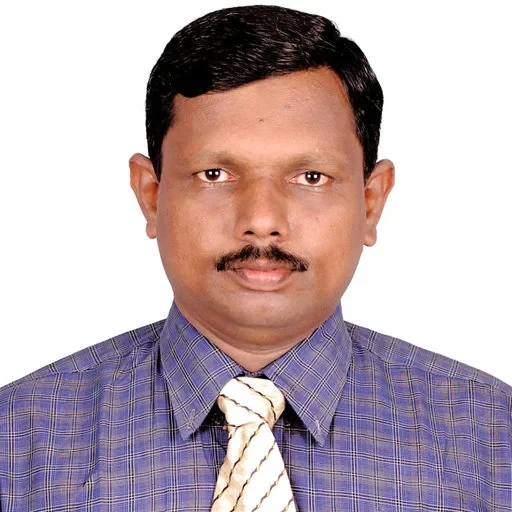
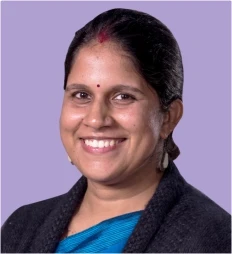
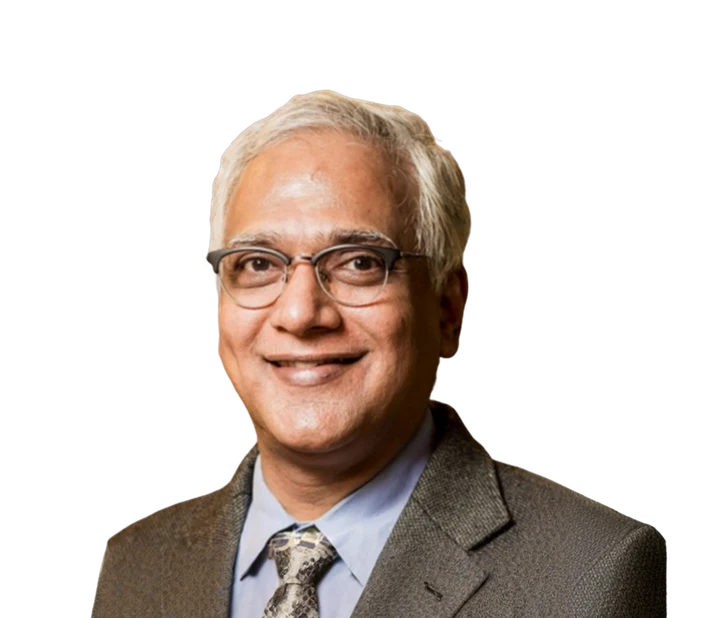
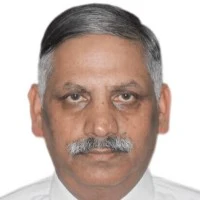
Prof. Karthick Athmanathan
Co-Chair, MAHA-EV Mission Governing BoardIndian Institute of Technology Madras
MISSION COORDINATION
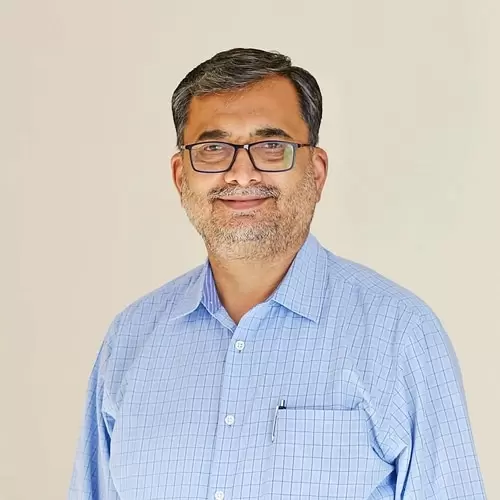
Mission Coordination & Programme Support



OUTREACH
Research shared. Ideas connected.
Webinars, technical talks and developments from the seven MAHA-EV E-Nodes.
E-NODE SHOWCASE
Webinars and technical exchange
25 events
MAHA-EVCSIR-CEERI PilaniConference contribution
In personCSIR-CEERI Pilani
State Of Charge based Control of Bidirectional Power Converters
· Upcoming
WP 4.2: Development of Modular Converter Architecture for high-frequency inverters (100 KHz, 10 kW)
Recording not yet availableMAHA-EVARCI HyderabadWebinar
VirtualARCI Hyderabad
Crafting Hard Carbon from Lignin for Sodium-ion Batteries
WP1: Development and Demonstration of Battery Materials (Li-ion, Na-ion, Li-S)
Watch recording ↗MAHA-EVIIT (BHU) VaranasiWebinar
HybridIIT (BHU) Varanasi
Industry Roundtable on E-Mobility
WP2: Degradation-shielded EV Chargers with Agile BMS
Open resource folder ↗MAHA-EVIIT BombayWebinar
VirtualIIT Bombay
Developments in Electric Vehicle Components and Structures
WP 1.8 - Lightweight Motor Parts for Electric Vehicles
Public recording link awaitedMAHA-EVIIT (BHU) VaranasiWebinar
VirtualIIT (BHU) Varanasi
2D materials for zinc and iron based batteries
WP5: Demonstration of Rechargeable Zinc-Air Battery for EVs
No public recordingMAHA-EVCSIR-CEERI PilaniConference contribution
In personCSIR-CEERI Pilani
Design and Analysis of a Source Field-Plated Heteroepitaxial β-Ga₂O₃ Recessed-Gate MOSFET on 4H-SiC achieving Low Ron,sp and High PFOM
1.4: Design and development of Gallium Oxide Power FETs
No public recordingMAHA-EVCSIR-CEERI PilaniConference contribution
In personCSIR-CEERI Pilani
Design and fabrication of Al/ 4H-SiC Power Schottky barrier diode
1.3: Design and development of Silicon Carbide High power devices for Electric Vehicles
No public recordingMAHA-EVIIT (BHU) VaranasiWebinar
HybridIIT (BHU) Varanasi
Molecular origin of wettability
WP1: Degradation-Resistant Battery Pack
Open resource folder ↗MAHA-EVIIT (BHU) VaranasiWebinar
VirtualIIT (BHU) Varanasi
Urban Planning andSustainable e-Micromobility
WP3: Second Life of Batteries – towards Circular Economy
Open resource folder ↗MAHA-EVIIT (BHU) VaranasiWebinar
VirtualIIT (BHU) Varanasi
Next-Generation Intelligent BMS: From Physics to Real-Time Edge AI
WP2: Degradation-shielded EV Chargers with Agile BMS
No public recordingMAHA-EVCSIR-CEERI PilaniConference contribution
In personCSIR-CEERI Pilani
EV Charging Infrastructures
4.1: Scalable 120kW High-Power Bidirectional EV Charger (V2G, V2V, V2X)l
No public recordingMAHA-EVCSIR-CEERI PilaniConference contribution
In personCSIR-CEERI Pilani
Multi-Modal Wavelet Scalogram Fusion for Deep CNN-Based Capacitance Estimation
2.3: Integrated Safety Control Framework for High Voltage DC-DC Converters: Leveraging Monitoring, Predictive Maintenance, and Compliance with Industry Standards
No public recordingMAHA-EVARCI HyderabadWebinar
VirtualARCI Hyderabad
Sodium Vanadium Phosphate Cathode material For Sodium Ion Batteries
WP1: Development and Demonstration of Battery Materials (Li-ion, Na-ion, Li-S)
Watch recording ↗MAHA-EVIIT (BHU) VaranasiWebinar
VirtualIIT (BHU) Varanasi
Separator Modification for Lithium ion batteries
WP1: Degradation-Resistant Battery Pack
No public recordingMAHA-EVIIT (BHU) VaranasiWebinar
VirtualIIT (BHU) Varanasi
Battery life forecasting need in supply chain management
WP4: Battery Health Analysis Indicator (BHAI)
No public recordingMAHA-EVCSIR-CEERI PilaniConference contribution
In personCSIR-CEERI Pilani
Implementation of RNN-based Algorithms for Li-Ion Battery Cells State of Charge (SoC) Estimation
WP 4.3: Development of Modular Architecture of DC-DC Converters ((up to 5 kW) and Onboard Charging System
No public recordingMAHA-EVIIT (BHU) VaranasiWebinar
HybridIIT (BHU) Varanasi
Critical mineral recovery from EV battery waste
WP3: Second Life of Batteries – towards Circular Economy
No public recordingMAHA-EVIIT (BHU) VaranasiWebinar
HybridIIT (BHU) Varanasi
Degradation-shielded hybrid energy storage system
WP2: Degradation-shielded EV Chargers with Agile BMS
No public recordingMAHA-EVCSIR-CEERI PilaniWebinar
VirtualCSIR-CEERI Pilani
Design and Development of 120kW DC Fast Charger with V2G and G2V modes
4.1: Scalable 120kW High-Power Bidirectional EV Charger (V2G, V2V, V2X)
Watch recording ↗MAHA-EVCSIR-CEERI PilaniWebinar
VirtualCSIR-CEERI Pilani
Development of Wide Bandgap Semiconductors based Highly Efficient Power Electronics Systems for Electric Vehicle
Total project : ALL Work Packages
No public recordingMAHA-EVIIT (BHU) VaranasiWebinar
HybridIIT (BHU) Varanasi
Decoding degradation in Ni Rich Li-ion Batteries
WP1: Degradation-Resistant Battery Pack
Open resource folder ↗MAHA-EVCSIR-CEERI PilaniConference contribution
In personCSIR-CEERI Pilani
Deep Learning–Based Capacitor ESR Estimation Using Wavelet Features
2.3: Integrated Safety Control Framework for High Voltage DC-DC Converters: Leveraging Monitoring, Predictive Maintenance, and Compliance with Industry Standards
No public recordingMAHA-EVIIT (BHU) VaranasiWebinar
HybridIIT (BHU) Varanasi
Zinc based batteries - Future of electric mobility
WP5: Demonstration of Rechargeable Zinc-Air Battery for EVs
No public recordingMAHA-EVIIT BombayWebinar
VirtualIIT Bombay
Advances in High-Frequency Wireless EV Charging
WP 4.3 - GaN-based High-EfficiencyMisalignment-Tolerant CapacitiveWireless Charger for Electric Four-Wheelers
Watch recording ↗MAHA-EVIIT BombayWebinar
VirtualIIT Bombay
Enhanced EV Safety and Battery Performance Optimization
WP 8.1 - Smart ESD (Energy Storage Device)Safety Diagnostics System
Watch recording ↗No events match these filters.
OFFICIAL RESOURCES
Mission Information and Institutional Resources
CONTACT
Mission PMU
Pune Knowledge Cluster Foundation serves as the Mission Program Management Unit supporting the ANRF MAHA-EV Mission.
Pune Knowledge Cluster Foundation
Address3rd Floor, Placement Cell
Savitribai Phule Pune University
Maharashtra 411007
Savitribai Phule Pune University
Maharashtra 411007
Office TimingsMonday to Friday
9:30 AM - 5:30 PM
9:30 AM - 5:30 PM
Phone+91 78238 92474
Email[email protected]